Table of Contents
Paying for groceries, booking cabs, splitting bills, or even donating at temples—everything is now just a tap away. The rapid rise of the digital wallet has completely transformed how people handle money. Today, digital payments are not just a trend; they are becoming a default lifestyle choice.
From UPI payments in India to contactless payment cards worldwide, users are increasingly choosing cashless payments over physical currency. But before you completely switch to e-wallet or virtual wallet systems, it’s important to understand the real advantages, limitations, and long-term impact.
This in-depth guide breaks down the pros and cons digital wallet adoption brings, explains how it work, evaluates the security of it, and helps you decide whether a fully digital payment lifestyle is right for you.
📱 What Is a Digital e-Wallet?
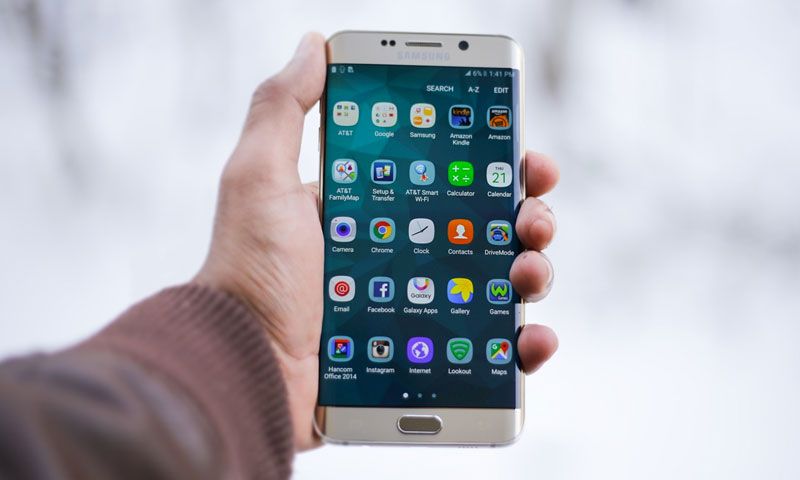
A digital wallet or digital e-wallet (also called a mobile wallet or e-wallet) is a software-based payment system that securely stores payment information such as debit cards, credit cards, bank accounts, or prepaid balances and enables seamless online payments.
🧠 How it Work (Step-by-Step)
1️⃣ User links a bank account, card, or UPI
2️⃣ Wallet encrypts sensitive data
3️⃣ User authenticates via PIN, OTP, or biometrics
4️⃣ Payment is processed instantly
5️⃣ Merchant receives confirmation
This system powers mobile payments, peer-to-peer payments, contactless payment, and fintech payments worldwide.
👉 Authoritative reference (DoFollow): Reserve Bank of India – Digital Payments Overview (https://www.rbi.org.in)
🌍 Types of Digital Wallets You Can Use Today
📲 1. Mobile Wallet
Used through smartphone apps for everyday mobile payments.
💳 2. E-Wallet
Stores prepaid money digitally for online and offline use.
🏦 3. Digital Banking Wallet
Integrated with banks, offering savings, loans, and digital payments.
🔁 4. Peer-to-Peer Payments Wallet
Enables instant money transfers between individuals.
🇮🇳 5. UPI-Based Wallet
Supports instant UPI payments directly from bank accounts.
Some of the best wallets globally include Google Pay, PhonePe, Paytm, Apple Pay, Amazon Pay, Samsung Pay, and PayPal.
🚀 Why Online Payments or Wire transfers Are Replacing Cash
According to global financial institutions, cashless payments reduce fraud, increase transparency, and improve financial inclusion.
🌐 The World Bank highlights that digital payments empower underserved populations by giving them access to formal financial systems.
👉 DoFollow link: https://www.worldbank.org/en/topic/financialinclusion
✅ Major Benefits of Digital E-Wallets (Pros)
⚡ 1. Speed & Convenience
Transactions via digital e-wallet apps take seconds—no cash handling, no queues.
📶 2. Seamless UPI Payments
Instant bank-to-bank transfers, available 24/7.
🧼 3. Safe Contactless Payment
Reduces physical contact, ideal in public places.
📊 4. Expense Tracking
Every digital payment is automatically recorded.
🎁 5. Cashback & Rewards
One of the most attractive benefits of this process.
🔁 6. Easy Peer-to-Peer Payments
Split bills, pay rent, or send money instantly.
🌍 7. Financial Inclusion
Supports users without traditional banking access.
These benefits of digital wallets or digital e-wallets explain why millions now rely on mobile wallet apps daily.
⚠️ The Downsides: Cons of Digital E-Wallets
🔐 1. Digital Wallet Security Risks
Cyber fraud, phishing, and fake apps remain concerns.
👉 Trusted source (DoFollow): Kaspersky – Mobile Payment Security
https://www.kaspersky.com/resource-center/preemptive-safety/mobile-payment-security
🕵️ 2. Privacy and Digital Payments
Transaction data may be tracked for analytics or compliance.
💸 3. Wallet App Fees
Some e-wallet platforms charge withdrawal or merchant fees.
🔋 4. Internet & Battery Dependency
No power or network means no online payments.
🛍️ 5. Overspending
Ease of use can encourage impulsive spending.
Understanding these pros and cons e-wallet or virtual wallet platforms offer is essential before going fully cashless.
🔐 How Safe Are Digital Wallets?
Most security systems use are:
🔒 End-to-end encryption
🔑 Tokenization
👁️ Biometric authentication
🤖 AI-driven fraud detection
According to Visa’s security reports, tokenized digital payments significantly reduce card fraud.
👉 DoFollow link: https://www.visa.com/security
Indirect trust signal: These security standards are audited by global financial regulators and used by leading banks worldwide.
⚖️ E-Wallet Advantages Disadvantages (Quick Comparison)
| Advantages | Disadvantages |
|---|---|
| Instant transactions | Internet dependency |
| Cashback & offers | Data privacy concerns |
| Expense tracking | App outages |
| Financial inclusion | Cyber risks |
Knowing these e-wallet advantages disadvantages helps users make informed decisions.
🔮 The Role of Fintech Payments in the Future
Fintech payments are driving innovation in digital banking wallet systems, cross-border mobile payments, and blockchain-based settlements.
📊 McKinsey predicts that over 70% of retail transactions will rely on online payments or wire transfers by 2030.
👉 DoFollow link: https://www.mckinsey.com/industries/financial-services
🤔 Should You Fully Switch to Digital E-Wallet?
Ask yourself:
✔ Are you comfortable with technology?
✔ Do you understand it, security basics?
✔ Do you frequently use mobile payments?
For most urban users, switching fully to it improves convenience—if used responsibly.
🧭 Best Practices for Safe Digital Payments
✅ Use official apps only
✅ Enable two-factor authentication
✅ Avoid public Wi-Fi
✅ Monitor alerts
✅ Update apps regularly
These habits strengthen trust and reduce risks associated with online payments or wire transfers.
🏁 Conclusion: Is a Fully Digital E-Wallet Lifestyle Worth It?
A fully digital wallet or digital e-wallet lifestyle offers unmatched convenience, speed, and transparency. While digital payments introduce concerns around privacy, security, and dependency on technology, informed users can minimize risks.
By understanding both sides of the pros and cons of its systems present, users can enjoy the benefits of it while staying secure. The future is cashless—and preparedness is the key to embracing it wisely.
❓ Frequently Asked Questions (FAQs)
1️⃣ What exactly is a digital e-wallet?
A digital wallet or e-wallet is a secure mobile or web application that stores payment information and enables digital payments such as UPI payments, card transactions, and peer-to-peer payments without using physical cash.
2️⃣ Are online payments safer than cash?
Digital payments reduce risks like theft or counterfeit currency. However, users must follow security practices to protect against cyber fraud and ensure strong digital e-wallet security.
3️⃣ How do UPI payments differ from card payments?
UPI payments transfer money directly between bank accounts in real time, while card payments go through card networks and may involve processing delays or extra fees.
4️⃣ What are the main benefits of digital e-wallets?
Key benefits of digital wallets include convenience, speed, cashback rewards, expense tracking, and easy access to cashless payments anytime, anywhere.
5️⃣ Are there any hidden wallet app fees?
Some e-wallet apps charge fees for withdrawals, international transactions, or merchant settlements. Always review the app’s fee structure before frequent use.
6️⃣ Is privacy and digital payments a real concern?
Yes. Transaction data may be stored or analyzed. Reputed platforms follow data protection laws, but users should read privacy policies carefully.
7️⃣ Can I use a digital wallet without internet access?
Most digital wallet transactions require an internet connection. Limited offline options exist but are not widely supported.
8️⃣ What happens if my phone is lost?
Your digital wallet remains protected through PINs, biometrics, and server-side security. You can block access remotely through the app or bank.
9️⃣ Which are the best digital e-wallets today?
Popular best digital wallets include Google Pay, PhonePe, Paytm, Apple Pay, Amazon Pay, and PayPal, depending on your region.
🔟 Is it wise to fully switch to digital wallet?
For most users, yes—provided they understand digital wallet security, maintain backup payment options, and manage spending responsibly.
1️⃣1️⃣ Are peer-to-peer payments instant?
Yes. Most peer-to-peer payments using UPI payments or wallet balances are processed instantly, even on weekends and holidays.
1️⃣2️⃣ Do digital banking wallets replace traditional banks?
No. A digital banking wallet complements traditional banking by offering faster digital payments and enhanced user experience.